

A fire pit is more than a backyard feature , it's the centrepiece of your outdoor living space. Whether you've invested in one of the best fire pits on the market or a beloved heirloom passed down through the family, proper maintenance is what keeps the flames burning season after season.
From wood burning fire pits coated in ash and char to outdoor gas fire pits with sensitive burner components, every model has its own care requirements. This guide covers them all , so you can spend less time worrying and more time gathered around the fire.
Why Fire Pit Maintenance Matters
Neglecting your fire pit doesn't just affect its appearance , it shortens its lifespan, reduces performance, and can create safety hazards. Rust eats through metal bowls. Ash buildup restricts airflow. Clogged burner ports on a gas fire pit lead to uneven or dangerous flames. A little regular care goes a long way.
The good news: maintenance is simple when done consistently. Whether you own one of the best outdoor fire pits available today or a budget-friendly model, the principles are the same.
Understanding Your Fire Pit Type
Before diving into maintenance steps, it's important to know what type of fire pit you have , as care routines differ significantly.
Wood Burning Fire Pits
Outdoor wood burning fire pits are the traditional choice , raw, rustic, and deeply satisfying. They produce real wood smoke and crackling flames, but they also generate ash, creosote residue, and carbon buildup that requires regular removal. The best wood burning fire pit models are made from heavy-gauge steel, cast iron, or stone, each with slightly different cleaning needs.
Our Best Selling Wood Burning Fire Pits
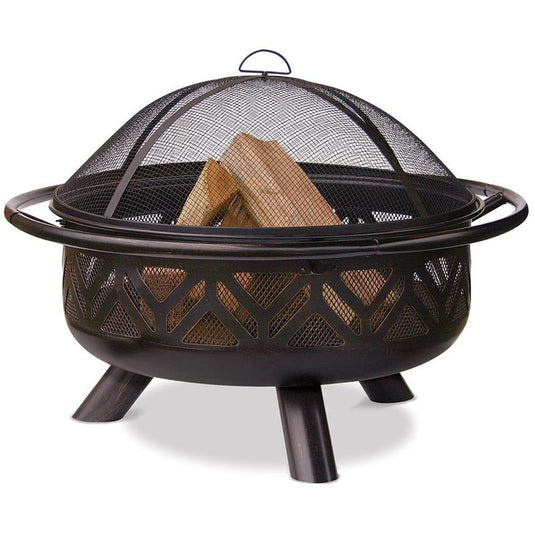
Oil Rubbed Bronze Wood Burning Outdoor Fire Pit with Geometric Design (WAD1009SP)
View & Add to Cart →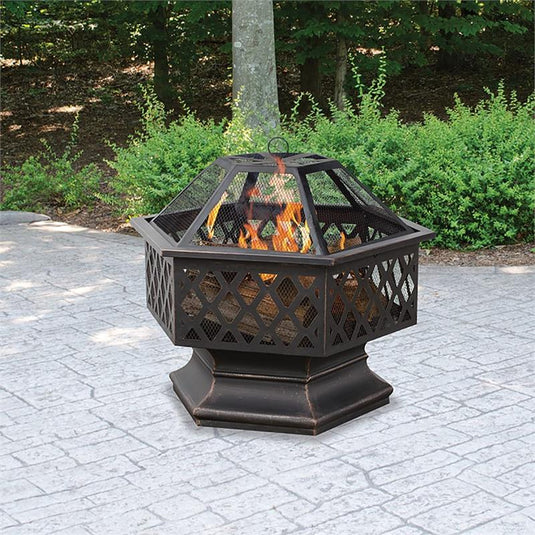
Flame Design Oil Rubbed Bronze Outdoor Wood Burning Firepit (WAD1011SP)
View & Add to Cart →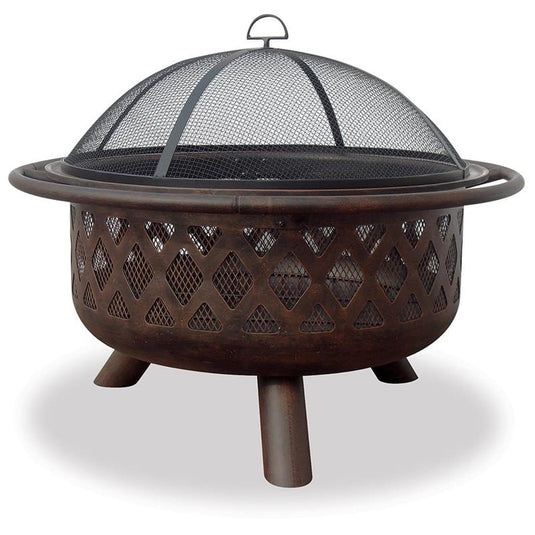
Oil Rubbed Bronze Wood Burning Outdoor Fire Pit with Lattice Design (WAD792SP)
View & Add to Cart →Gas Fire Pits
Outdoor gas fire pits , whether connected to natural gas or running on propane , offer convenience and clean-burning flames. They don't produce ash, but they do require attention to burner components, gas lines, ignition systems, and fire glass or lava rock media. The best gas fire pit options are designed for durability, but even premium models need seasonal inspection.
Our Best Selling Gas Fire Pits
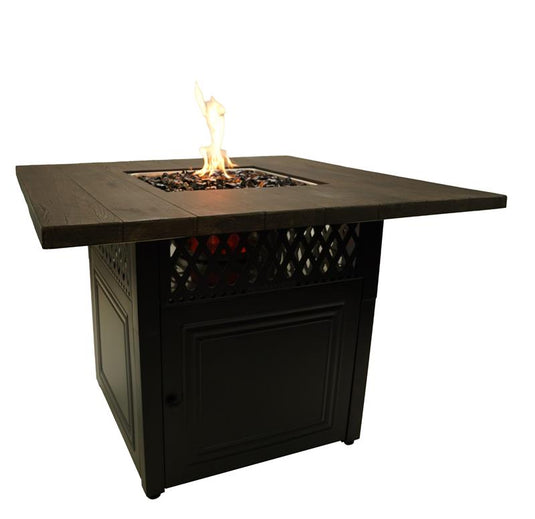
The Benjamin Propane Gas Dual Heat 42" UV Printed Faux Wood Outdoor Firepit (GAD19106ES)
View & Add to Cart →
Round Gas Fire Pit — The Cove 42
View & Add to Cart →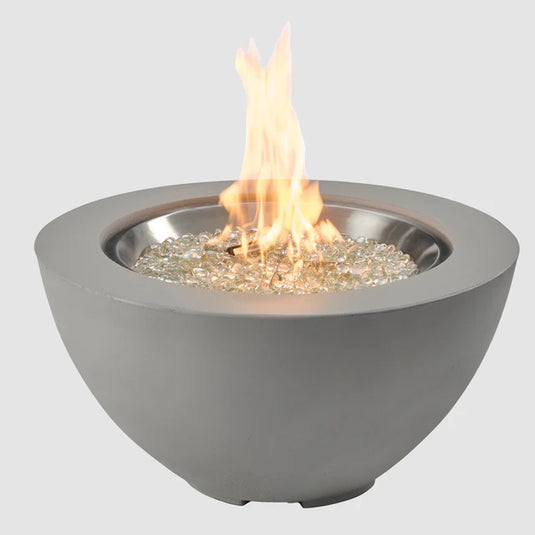
Round Gas Fire Pit Bowl — The Cove Small
View & Add to Cart →Essential Tools and Supplies for Fire Pit Maintenance
Before you start, gather these supplies:
• Metal ash bucket with a tight-fitting lid
• Stiff-bristle wire brush or grill brush
• Mild dish soap and warm water
• White vinegar (for rust treatment)
• Fine steel wool or sandpaper (80–120 grit)
• High-temperature paint or sealant (for metal pits)
• Rubber gloves and safety glasses
• Garden hose or pressure washer (low setting)
• Dry cloths or microfibre towels
• Pipe cleaner or small brush (for gas burner ports)
How to Maintain an Outdoor Wood Burning Fire Pit
Step 1: Remove Ash After Every Use
Always let ash cool completely , at least 24 hours , before handling. Use a metal scoop to transfer ash into a metal bucket (never plastic). Dispose of ash in your compost or garden; it's a great soil amendment. Never let ash accumulate more than an inch deep, as it retains moisture and accelerates rust.
Step 2: Scrub the Bowl
Once the ash is removed, scrub the interior of the fire pit bowl with a wire brush to loosen carbon deposits and soot. For deeper cleaning, mix mild dish soap with warm water and scrub with a brush. Rinse thoroughly and dry completely before storing or using again. Any residual moisture encourages rust , the number one enemy of outdoor wood burning fire pits.
Step 3: Treat and Prevent Rust
Surface rust is normal on steel fire pits , it's a sign of use and the outdoors, not failure. To treat existing rust, apply white vinegar with a cloth, let it sit for 15 minutes, then scrub with fine steel wool. Once clean and dry, apply a thin coat of cooking oil to the inside of the bowl, or use a high-temperature spray paint rated for 1200°F+ on the exterior to seal and protect.
Step 4: Inspect the Grate and Accessories
If your wood burning fire pit includes a cooking grate, spark screen, or log grate, inspect these separately. Scrub grilling grates with a wire brush, check spark screens for holes or warping (replace if damaged), and ensure any legs or feet are secure and level.
How to Maintain an Outdoor Gas Fire Pit
Step 1: Clean the Burner Ports
Blocked burner ports are the most common issue with gas fire pits. Insects, debris, and dust can clog the small holes over time, causing uneven flames or ignition problems. Turn off the gas supply completely before doing anything. Remove the burner and use a pipe cleaner, small wire brush, or compressed air to clear each port. Never use water to clean a gas burner.
Step 2: Clean Fire Glass and Lava Rock
The decorative media in your gas fire pit , fire glass, lava rock, or ceramic logs , collects dust, pollen, and debris over time. Remove the media carefully and rinse with warm water. Allow it to dry fully (at least 48 hours) before returning it to the pit. Never use soap on lava rock as it can absorb chemicals that release when heated.
Step 3: Inspect the Ignition System
Test your ignition system at the start of each season. If the spark igniter is clicking but not lighting, check that the electrode is positioned correctly and free of corrosion. Clean with a dry cloth if needed. If it still fails to spark, replacement igniter kits are widely available for most best gas fire pit models.
Step 4: Check Gas Lines and Connections
Safety first: inspect all gas connections at least once a season. Apply a solution of dish soap and water to connection points while the gas is on (but before igniting). If bubbles form, there's a leak , shut off the gas immediately and call a professional. Never use an outdoor gas fire pit with a suspected gas leak.
Seasonal Maintenance Schedule
Use this schedule to stay on top of care throughout the year:
Spring (Season Start)
• Perform a full deep clean of the bowl or burner assembly
• Inspect for rust, cracks, or structural damage after winter
• Check all hardware , bolts, legs, and screens , for integrity
• Season cast iron fire pits with cooking oil
• Test gas ignition systems before first use
Summer & Fall (Regular Use)
• Remove ash after every 2–3 uses for wood burning fire pits
• Wipe down the exterior after cool-down to prevent residue buildup
• Rinse fire glass or lava rock monthly
• Keep a weatherproof cover on when not in use
Winter (Off-Season Storage)
• Perform a thorough final clean before storing
• Apply rust-resistant coating or oil to steel and iron components
• Disconnect propane tanks and store them upright in a ventilated area
• Move the fire pit to a covered area, shed, or garage if possible
• Use a heavy-duty, waterproof fire pit cover if leaving outdoors
Choosing the Right Cover and Storage Solutions
A quality fire pit cover is one of the best investments you can make for long-term care. It shields your pit from rain, UV exposure, bird droppings, and fallen debris , all of which accelerate wear. Look for covers made from heavy-duty polyester or vinyl with UV inhibitors, a snug fit with tie-down straps, and mesh ventilation panels to prevent moisture buildup underneath.
At Smoky Mountain General Store, we carry covers sized to fit the best outdoor fire pits from leading brands , whether you've got a round steel bowl, a square gas table, or a large stone surround. Finding the right fit means your fire pit stays protected and ready to use whenever the evening calls for it.
Fire Pit Safety Tips Every Owner Should Know
• Never burn trash, cardboard, or treated wood in an outdoor wood burning fire pit , toxic fumes and unpredictable flames are serious hazards
• Always keep a bucket of water or a garden hose nearby when using a wood fire
• Maintain a safe clearance of at least 10 feet from structures, trees, and overhangs
• Never leave a fire unattended , extinguish fully before going inside
• Keep children and pets at a safe distance and never let them approach a hot pit
• Use only seasoned hardwood for the best wood burning fire pit performance , wet or green wood creates excessive smoke and creosote
• For gas fire pits, never attempt to repair gas lines yourself , always call a licensed professional
When to Repair vs. Replace Your Fire Pit
Even the best fire pits have a lifespan. With proper care, a quality steel or cast iron wood burning fire pit can last 5–10 years; a stone or concrete model can last decades. Gas fire pit components like burners, igniters, and valves are generally replaceable, extending the unit's life significantly.
Consider repairing when:
• Surface rust can be cleaned and treated
• A single component (burner, screen, grate) has failed
• Minor cracks appear in the bowl or surround
Consider replacing when:
• Deep, structural rust has compromised the integrity of the bowl
• Gas lines or valves are corroded and cannot be safely repaired
• The base or legs are cracked or bent beyond use
• Repair costs approach or exceed the price of a new unit
When it's time for an upgrade, Smoky Mountain General Store carries a carefully curated selection of the best fire pits for every outdoor style and budget , from rugged outdoor wood burning fire pits to sleek, modern outdoor gas fire pits.
Final Thoughts
A well-maintained fire pit is a joy for years , maybe decades , to come. The effort required is minimal compared to the reward: warm evenings with family and friends, the smell of wood smoke drifting through the pines, and a gathering place that never goes out of style.
Whether you're tending a beloved wood burning fire pit or keeping a sleek gas fire pit in showroom condition, a little consistency is all it takes. Follow this guide, stock up on the right supplies, and your fire pit will reward you with season after season of perfect fires.
Frequently Asked Questions
Q: How often should I clean my wood burning fire pit?
A: Remove ash after every 2–3 uses, and do a deep clean at least twice a season , once at the start and once before winter storage. If you use your fire pit weekly, a monthly scrub is a good habit.
Q: Can I leave my fire pit outside all year?
A: Many of the best outdoor fire pits are built to withstand the elements, but covering them when not in use significantly extends their life. In areas with harsh winters, it's best to store them in a shed or garage during the off-season.
Q: What's the best wood to use in an outdoor wood burning fire pit?
A: Seasoned hardwoods like oak, hickory, cherry, or maple are ideal. They burn hotter and cleaner than softwoods, produce less smoke, and create less creosote buildup in your fire pit. Avoid wet, green, or chemically treated wood.
Q: How do I stop my gas fire pit from smelling when I first light it?
A: A slight burning smell when first lighting a gas fire pit , especially at the start of the season , is usually caused by dust or residue on the burner burning off. It typically clears within a few minutes. If the smell persists or smells strongly of gas, shut off immediately and check for leaks.
Q: Where can I find fire pit accessories and replacement parts?
A: Smoky Mountain General Store stocks a wide range of fire pit accessories, covers, tools, and replacement parts for both wood burning and gas fire pit models. Browse our selection of the best fire pits and outdoor living essentials online or in store.
